Finding reliable exterior painters near me is essential when you want a fresh, weather‑proof finish that boosts curb appeal and protects your investment. The quickest way to locate qualified professionals is to search for locally licensed painters who specialize in exterior house painting, verify their portfolio, and compare detailed estimates that include surface preparation, premium weather‑resistant paint, and warranty terms. For homeowners tackling a full home exterior renovation, pairing the right painter with energy‑saving siding choices—such as those discussed in our Ultimate Guide to Choosing the Best Siding for Your House in 2026—can maximize both aesthetics and long‑term savings.
Why Professional Exterior Painting Matters
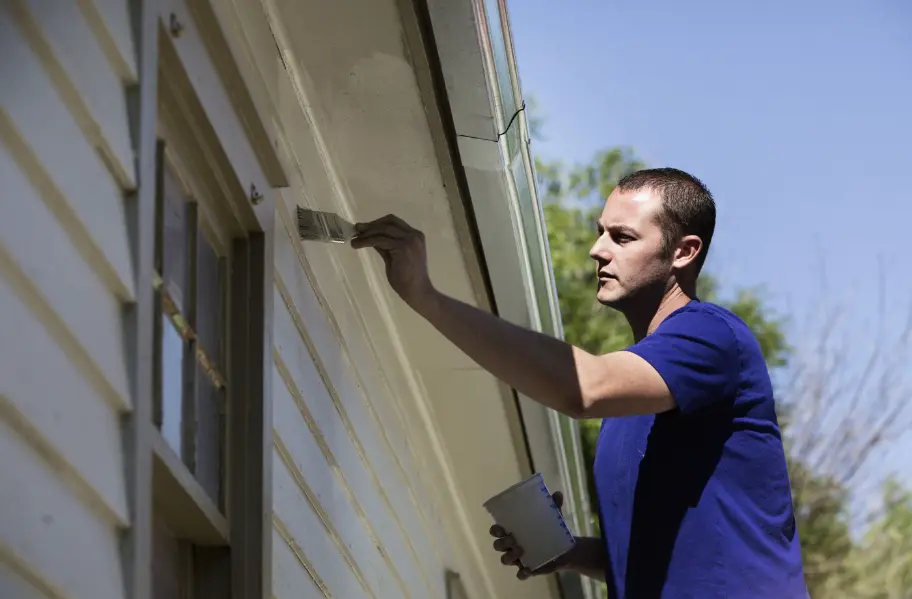
Exterior surfaces endure relentless exposure to UV radiation, rain, wind, and temperature fluctuations. A skilled painting contractor knows how to prepare the substrate—cleaning, scraping, and priming—to ensure the paint adheres properly and lasts longer. According to the American Coatings Association’s 2025 market report, homes with professionally applied exterior paint systems retain their finish an average of 7 years longer than those painted by DIY amateurs.
Key Factors to Evaluate When Choosing a Painter
1. Licensing, Insurance, and Certifications
Never hire an unlicensed contractor. Verify state licensing numbers and check for workers’ compensation coverage. In many states, professional painting contractors must also hold a Certified Paint Professional (CPP) credential issued by the Painting and Decorating Contractors of America (PDCA).
Table of Contents
- Why Professional Exterior Painting Matters
- Key Factors to Evaluate When Choosing a Painter
- 1. Licensing, Insurance, and Certifications
- 2. Proven Experience with Weather‑Resistant Paint
- 3. Transparent Pricing and Detailed Estimates
- 4. Portfolio and References
- Step‑by‑Step Process for a Successful Exterior Painting Project
- Common Mistakes Homeowners Make
- How to Leverage Local Search for the Best Results
- Cost Considerations in 2026
- Environmental and Energy Benefits
- FAQ
- What is the typical timeline for an exterior painting project?
- Do I need to move my furniture and landscaping before painting?
- How often should I repaint my home’s exterior?
- Can I paint over old paint, or must it be removed?
- Is it worth paying more for premium paint?
- Putting It All Together: A Checklist Before You Hire
- Conclusion
2. Proven Experience with Weather‑Resistant Paint
Look for painters who use high‑performance, weather‑resistant paints such as elastomeric or acrylic‑latex systems. These formulations expand and contract with temperature changes, reducing cracking and blistering. A 2026 study by the National Institute of Building Sciences found that homes using elastomeric exterior paint saw a 23 % reduction in moisture infiltration compared with standard latex paints.
3. Transparent Pricing and Detailed Estimates
Reputable painters provide itemized quotes covering surface preparation, primer, topcoat, labor, and cleanup. Beware of “all‑inclusive” rates that hide extra costs for trim work or multiple coats. Request a written warranty that outlines coverage for peeling, fading, or bubbling within a specified period.
4. Portfolio and References
Ask for before‑and‑after photos of recent projects similar to yours—whether it’s a Victorian townhouse, a modern ranch, or a historic bungalow. Speaking with past clients can reveal how the contractor handles scheduling, cleanup, and unexpected issues like hidden rot.
Step‑by‑Step Process for a Successful Exterior Painting Project
- Consultation & Site Survey: A professional painter will assess the building’s architecture, note any repairs needed, and recommend appropriate paint systems.
- Surface Preparation: This includes pressure washing, scraping loose paint, sanding, and applying a rust‑inhibiting primer where metal components exist.
- Repair & Caulking: Fill cracks, replace damaged siding, and seal gaps to improve energy efficiency—a step often overlooked but critical for a tight building envelope.
- Paint Application: Two‑coat systems are standard; a high‑quality primer followed by a topcoat ensures depth of color and durability.
- Final Inspection & Touch‑Ups: The contractor conducts a walk‑through, addresses any missed spots, and provides maintenance guidelines.
Common Mistakes Homeowners Make
Skipping proper surface preparation is the most frequent error, leading to premature paint failure. Choosing the cheapest paint brand to save money upfront often backfires, as lower‑grade products lack UV blockers and flexibility. Finally, neglecting to verify the painter’s insurance can expose you to liability if an accident occurs on the job site.
How to Leverage Local Search for the Best Results
When you type “exterior painters near me” into a search engine, the results are filtered by your location and relevance signals. To narrow the field:
- Include your city or ZIP code in the query (e.g., “exterior painters near me Austin TX”).
- Read Google Business reviews for insight into punctuality, professionalism, and finish quality.
- Check the painter’s website for a gallery, service area map, and evidence of certifications.
Cross‑referencing these findings with the Top 10 Siding Companies Near Me in 2026 list can help you identify contractors who already partner with trusted siding specialists, ensuring cohesive color and material coordination across your home’s exterior.
Cost Considerations in 2026
The average price for exterior house painting in 2026 ranges from $2.80 to $4.50 per square foot, according to HomeAdvisor’s 2026 pricing guide. Factors influencing cost include surface condition, number of stories, paint quality, and regional labor rates. Homeowners who combine painting with other exterior upgrades—such as installing energy‑efficient exterior doors (Exterior Doors 2026: Ultimate Guide to Choosing, Installing & Saving Energy)—can often negotiate bundled discounts.
Environmental and Energy Benefits
Modern low‑VOC (volatile organic compound) paints reduce indoor air pollutants during application and improve indoor air quality once the job is complete. Moreover, a fresh coat of reflective paint can lower a home’s cooling load by up to 5 % in hot climates, according to the U.S. Department of Energy’s 2025 Energy Saver report. Pairing this with high‑efficiency siding further enhances energy savings.
FAQ
What is the typical timeline for an exterior painting project?
Most single‑family homes require 3–5 days for preparation and painting, plus an additional 1–2 days for drying and final inspection. Weather delays can extend the schedule, which is why many contractors build a buffer into their estimates.
Do I need to move my furniture and landscaping before painting?
Professional crews will protect outdoor furniture and plants with drop cloths and plastic sheeting. However, it’s courteous to move delicate items indoors to prevent accidental damage.
How often should I repaint my home’s exterior?
The lifespan of exterior paint depends on the material and climate. Generally, wood siding lasts 5–7 years, while brick or stucco can retain a quality finish for 10 years or more when properly maintained.
Can I paint over old paint, or must it be removed?
Minor flaking can be sanded and primed, but extensive peeling or chalking usually requires a full scrape to ensure proper adhesion of the new coating.
Is it worth paying more for premium paint?
Yes. Premium paints often contain superior pigments and binders, delivering richer color, better UV resistance, and longer warranty periods—ultimately offering better ROI.
Putting It All Together: A Checklist Before You Hire
- Confirm licensing, insurance, and CPP certification.
- Request a detailed, itemized estimate that includes surface preparation, primer, topcoat, and cleanup.
- Inspect the contractor’s portfolio and speak with at least two recent clients.
- Verify the use of weather‑resistant, low‑VOC paint suitable for your climate.
- Ensure the contractor offers a written warranty covering at least five years.
- Coordinate with other exterior projects (siding, doors, windows) for seamless integration.
Following this checklist will help you transform your home’s façade with confidence, knowing that the paint job will endure the elements, enhance energy efficiency, and elevate your property’s market value.
Conclusion
Choosing the right exterior painters near me is more than a convenience—it’s a strategic investment in your home’s longevity and aesthetic appeal. By vetting contractors for proper licensing, proven experience with weather‑resistant paint, transparent pricing, and strong references, you set the stage for a flawless finish that protects against the harshest climates. Combine this with complementary exterior upgrades such as energy‑saving doors and high‑quality siding, and you’ll enjoy a cohesive, resilient envelope that stands the test of time.
